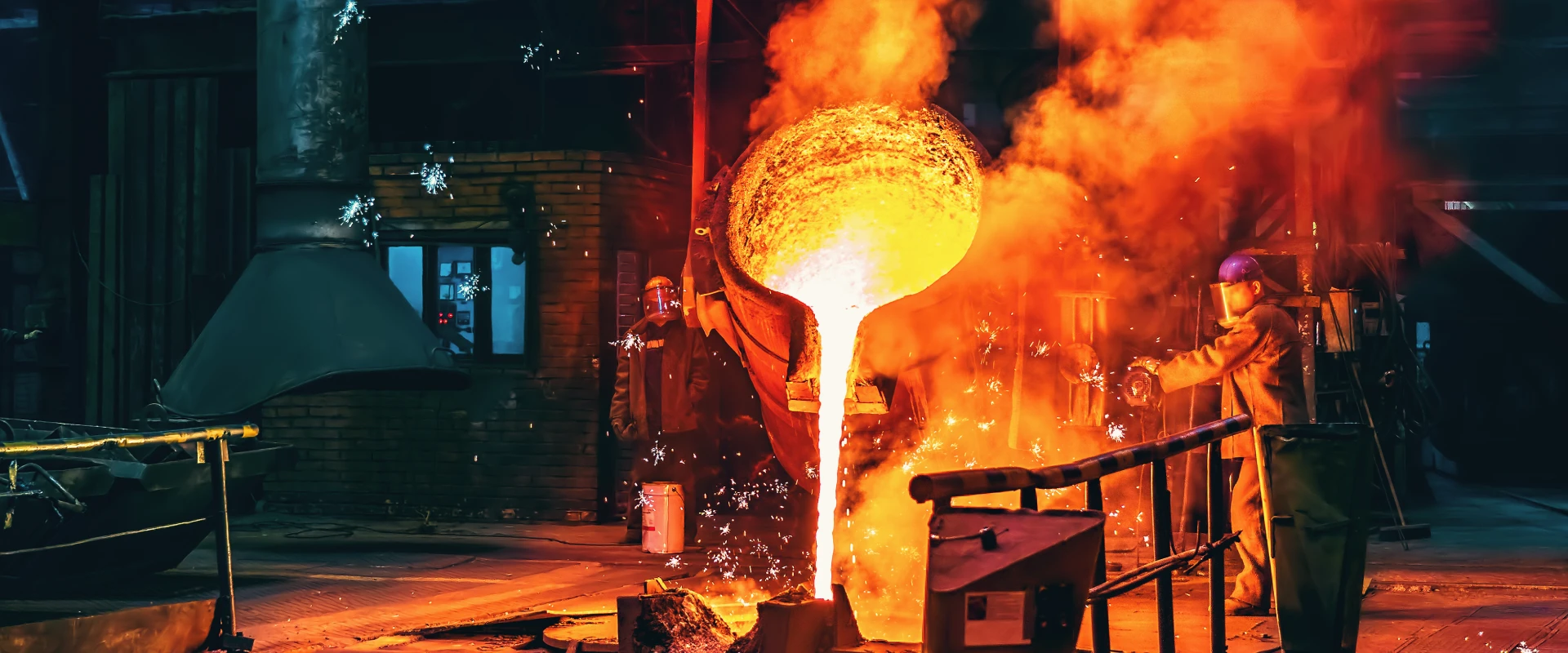
904L Super Austenitic Stainless Steel | Phosphorus Chemical Industry Application Cases
1. Introduction: Harsh Working Conditions of Phosphorus Chemical Projects
Phosphorus chemical production features strong and complex corrosive environments.
Production processes involve phosphoric acid, dilute sulfuric acid and fluoride ions.
High temperature and continuous medium scouring worsen equipment corrosion.
Conventional 316L stainless steel faces short service life and frequent failures.
Frequent equipment replacement and maintenance raise operating costs.
904L super austenitic stainless steel solves industry corrosion pain points.
Its high-alloy formula adapts to harsh phosphorus chemical working conditions.
A large number of field cases verify its stable long-term operation performance.
2. Core Performance Advantages of 904L for Phosphorus Chemicals
2.1 Ultra-Low Carbon Alloy Design
Ultra-low carbon content effectively prevents intergranular corrosion.
Avoids grain boundary failure in long-term acid medium immersion.
2.2 High Nickel and Molybdenum Composition
High alloy content improves resistance to phosphoric acid and dilute sulfuric acid.
Strong tolerance to fluctuating fluoride and chloride ions.
2.3 Excellent Local Corrosion Resistance
Resists pitting corrosion and crevice corrosion in chemical media.
Outperforms 316L and ordinary austenitic stainless steel greatly.
2.4 Stable High-Temperature Adaptability
Maintains stable mechanical properties under medium and high temperature.
Adapts to continuous heating and cooling cycles of chemical production.
3. Typical Field Application Cases in Phosphorus Chemical Industry
3.1 Phosphoric Acid Production Reaction Tanks
A medium-sized phosphorus chemical plant upgraded tank liners to 904L.
Original 316L liners suffered severe pitting after 12 months of operation.
904L liners keep intact after three years of continuous service.
Corrosion rate remains far below industry safety standards.
Greatly reduces downtime maintenance frequency.
3.2 Chemical Slurry Pipeline Systems
Slurry pipelines bear dual damage of acid corrosion and solid scouring.
A phosphate fertilizer project adopted 904L seamless steel pipes.
Pipeline leakage failures dropped to nearly zero in long-term operation.
Solves thinning and perforation problems of traditional pipes.
3.3 Waste Acid Recovery Heat Exchangers
Waste acid recovery units have complex mixed acid corrosion.
904L heat exchanger plates adapt to variable concentration media.
No scaling corrosion or structural deformation under long-term heat exchange.
Ensures efficient and stable waste heat recovery efficiency.
3.4 Phosphorus Chemical Wastewater Treatment Equipment
Production wastewater contains mixed corrosive ions and residual acid.
904L filter equipment and tank bodies operate stably for a long time.
Avoids rusting and failure of ordinary stainless steel facilities.
4. Practical Benefits Reflected in Application Cases
4.1 Extend Equipment Service Life
904L equipment service life is 2–3 times longer than 316L.
Reduces frequent equipment renewal investment.
4.2 Cut Production and Maintenance Costs
Stable corrosion resistance lowers unplanned shutdown losses.
Reduces manual maintenance and part replacement expenses.
4.3 Improve Production Continuity
No sudden leakage or structural failure risks during operation.
Supports long-term continuous and stable chemical production.
4.4 Enhance Production Safety
Avoids safety hazards caused by acid medium leakage.
Reduces environmental pollution risks in phosphorus chemical workshops.
5. Construction and Usage Key Points in Phosphorus Chemical Scenarios
Strictly control welding processes to avoid weld seam corrosion sensitivity.
Implement post-weld pickling and passivation treatment.
Avoid surface scratch damage during equipment installation.
Regularly inspect key parts for early corrosion signs.
Match medium concentration and temperature for targeted material use.
6. Comparative Advantages Over Conventional Materials
Ordinary carbon steel suffers rapid corrosion and cannot adapt long-term use.
316L stainless steel is only suitable for low-corrosion auxiliary equipment.
High-end nickel-based alloys have too high procurement costs.
904L achieves perfect balance of corrosion resistance and cost.
It is the most cost-effective material for mainstream phosphorus chemical equipment.
7. Conclusion
Phosphorus chemical industry has extremely strict requirements for equipment corrosion resistance.
904L super austenitic stainless steel has unique material advantages in acid and mixed corrosion media.
Multiple field application cases prove its reliable performance in reaction tanks, pipelines and heat exchangers.
It effectively solves common failure problems of traditional stainless steel equipment.
While ensuring production safety, it greatly reduces comprehensive operating costs.
With the upgrading of phosphorus chemical environmental protection and production standards, 904L stainless steel will gain wider promotion.
It becomes the preferred cost-effective material for high-corrosion key equipment in phosphorus chemical projects.
The above content was generated by AI assistance.